
Why this comparison matters for sustainable shipping
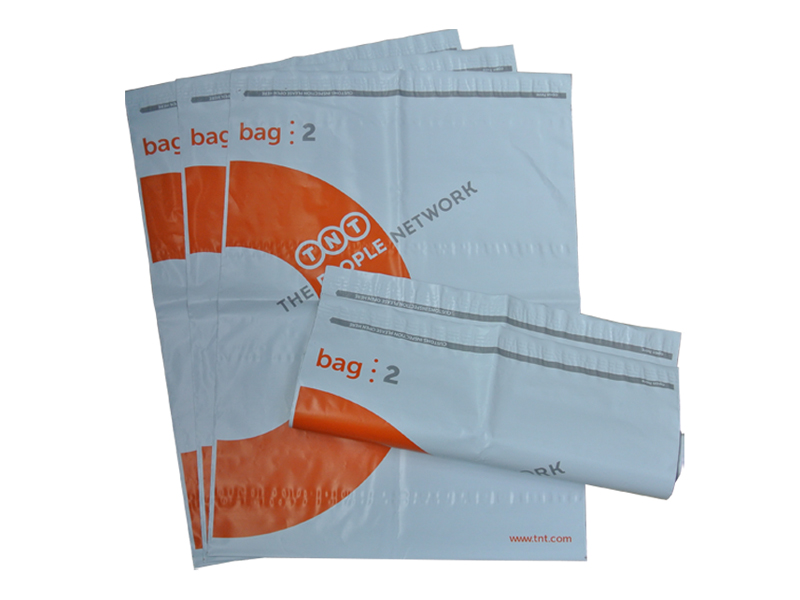
Choosing where you source poly mailers affects more than cost. It changes your carbon footprint, inventory flexibility, and brand promise. For brands that ship frequently, switching to localized bulk suppliers can reduce transport emissions and improve lead time. If you want to test that idea, start by ordering a sample of custom poly mailers with logo and compare total landed impact against an overseas batch. The result will often surprise you in practical ways.
Key criteria for an apples-to-apples comparison
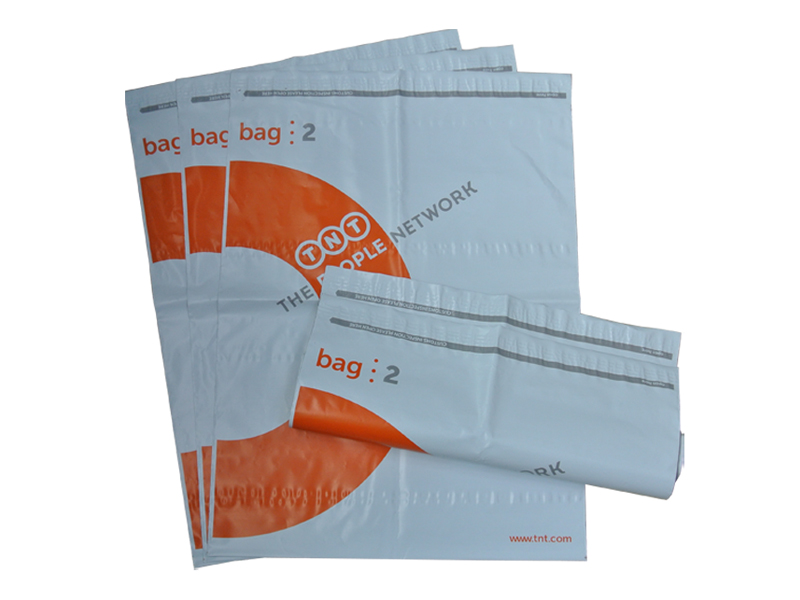
Compare across these concrete dimensions: material choice, logistics emissions, inventory strategy, and production efficiency. Use the same product spec (size, gsm, closure type) so the comparison focuses on sourcing and transport, not the mailer itself. Important industry terms to track include MOQ (minimum order quantity), lead time, and carbon footprint per unit. Please make sure your baseline includes freight mode — air, ocean, or truck — because each changes emissions dramatically.
Local sourcing: benefits and trade-offs
Local suppliers cut long-haul shipping and often allow smaller MOQs. That means less inventory sitting in a warehouse and fewer urgent air-freight top-ups when demand spikes. Shorter lead times also help with seasonal planning and returns processing. On the flip side, unit costs can be higher, and regional manufacturers may have limited capacity for very large bulk runs. For many DTC brands, the inventory flexibility and lower transport carbon intensity balance those higher per-unit costs.
Overseas sourcing: scale and carbon implications
Large overseas manufacturers offer low unit cost and high-volume capacity. Ocean freight is cheaper per unit for big shipments, but port congestion and longer transit windows introduce variability — remember the Port of Los Angeles congestion in 2021 that delayed many shipments globally. Those delays pushed brands to use air freight occasionally, which multiplies transport emissions. Also account for the packaging material: polyethylene type and recycled content change the product’s lifecycle emissions numbers.
Lifecycle view: where emissions actually come from
To evaluate carbon reductions properly, adopt a simple LCA (life cycle assessment) perspective. Break the product lifecycle into raw material production (virgin vs. recycled polyethylene), conversion (film extrusion and bag sealing), transport to distribution centers, and last-mile delivery. Often transport shows large variability, while material choice sets a baseline carbon intensity. Tracking carbon per kilogram-kilometer for freight and the mailer’s material carbon intensity gives you the quantitative comparators you need.
Practical comparison checklist
Use this checklist when you run your pilot:
- Match product specs exactly (dimensions, thickness, printed area).
- Record MOQs, lead times, and tooling or setup fees.
- Estimate transport emissions using freight mode and distance.
- Include warehousing days and safety stock in your inventory model.
- Factor in recyclability or recycled-content credits for the material.
Case example: small brand pilots local vs. offshore
A North American e-commerce brand piloted 10,000 units sourced domestically versus 50,000 units from an overseas supplier. The local run had higher unit cost but avoided ocean transit and a mid-season air-freight rescue. Net result: fewer rush shipments and a 15–20% lower transport-related emissions on the first year — plus better control of inventory. This reflects a pattern many brands saw after the 2020–2022 supply shocks: flexibility and resilience can translate to lower total emissions when measured over time.
Material and end-of-life: small changes, big effect
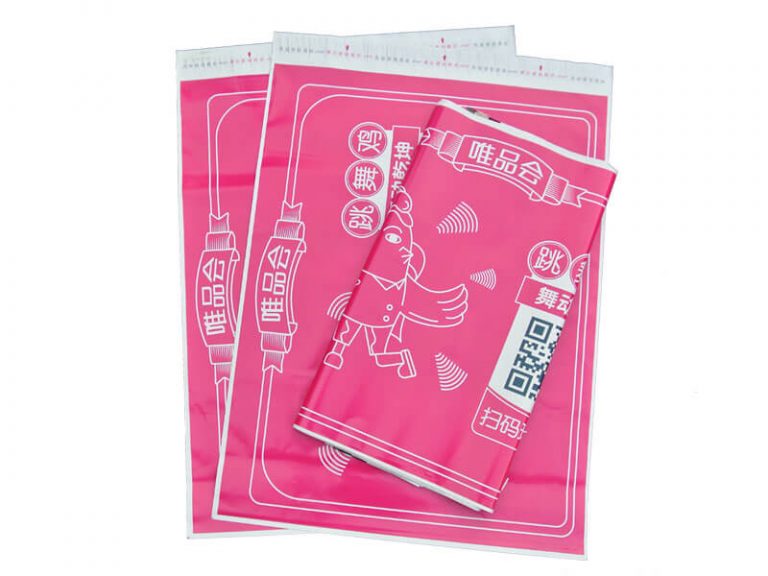
Choosing recycled polyethylene or designing for reuse can reduce lifecycle emissions. Using a thicker film to enable reuse, or offering return-and-reuse programs, changes the per-use carbon math. Also consider printed inks and adhesives — solvent-free inks or water-based inks may be marginally better in some regions. For branded solutions, test a run of branded poly mailers with higher recycled content and compare collection rates where feasible.
Common mistakes to avoid
Brands often forget to include warehousing emissions and emergency air-freight when calculating carbon. Another mistake is comparing unit price only — that hides tooling amortization and rework risk. Finally, do not assume recyclability equals recycling; local waste infrastructure matters. — Please check local recycling streams before claiming end-of-life benefits.
Quantifying savings: simple model to run
Build a spreadsheet with these fields: supplier location, shipment weight, distance, freight mode carbon factor, production emissions per kg, MOQ, and expected annual volume. Multiply freight distance by weight and the carbon factor to get transport emissions. Add production emissions. Compare the per-unit totals across sourcing options. This model gives a clear metric to present to stakeholders and makes sourcing decisions defensible.
Advisory: three golden rules for evaluating sustainable sourcing
1) Measure total landed carbon, not unit price alone. Include transport, warehousing, and emergency logistics in the calculation. 2) Prioritize flexibility metrics like lead time and MOQ alongside emissions. Reduced rush shipping often yields immediate carbon wins. 3) Validate end-of-life claims with local waste infrastructure and prefer recycled-content films when possible.
When you apply these rules, sourcing choices become strategic levers for both sustainability and operations. For brands seeking a pragmatic partner who can produce compliant, customizable mailers at flexible volumes, consider how a supplier like WH Packing fits into that model — they can help align production scale, recycled content options, and shorter domestic lead times. — final thought: small changes stack into real impact.