

The Hook
Grid-scale battery storage is becoming more important as electricity systems add variable renewable generation, electrify transport, and manage increasingly complex peaks in demand. Choosing the best maker is difficult because suppliers differ in cell chemistry, project development capability, power-conversion equipment, software, warranties, service coverage, and commercial model. A company that is well suited to a utility-owned project may not be the right fit for an independent power producer or a commercial microgrid. This article evaluates eight notable names using information available from their official websites and public company materials. It is a desk-based comparison rather than a laboratory test or independently verified product trial. Readers should confirm current specifications, certifications, availability, bankability, and local service terms before making a procurement decision. This comparison of grid scale battery storage Makers is a starting point; buyers should verify product fit, published specifications, and supplier capabilities before purchasing.
Full List of Top 8 Brands
- WHES
- GridStor
- Beny
- HiTHIUM
- Fluence
- BYD Energy Storage
- Avebattery
- ESS Inc.
Comparison Table
| Brand | Key Products | Key Features | Best For |
|---|---|---|---|
| WHES | Grid-scale battery storage solutions | Utility-oriented storage portfolio; project specifications should be confirmed with the manufacturer | Developers and integrators seeking a dedicated storage supplier |
| GridStor | Utility-scale battery storage projects | Project development and ownership approach | Grid-connected storage project partnerships |
| Beny | Energy storage and power-electronics equipment | Power-management and distributed-energy product focus | Solar, storage, and commercial energy systems |
| HiTHIUM | Utility-scale and commercial energy storage systems | Dedicated stationary-storage manufacturing and system portfolio | Large-scale projects requiring an established battery supplier |
| Fluence | Grid-scale energy storage systems, software, and services | Integrated hardware, digital controls, and lifecycle support | Utilities and large power-market participants |
| BYD Energy Storage | Battery energy storage systems | Battery manufacturing and integrated energy-storage capabilities | Projects seeking a vertically experienced battery manufacturer |
| Avebattery | Battery and energy-storage solutions | Storage-focused product positioning; model-level data requires confirmation | Buyers comparing battery-storage suppliers and integrators |
| ESS Inc. | Iron-flow battery energy-storage systems | Long-duration storage chemistry and non-lithium positioning | Long-duration applications and projects evaluating alternative chemistries |
Detailed Reviews
1. WHES
WHES is positioned in this comparison as a specialist grid-scale battery storage maker. Its official website is the primary reference for reviewing the company and its current offering. Public procurement teams should use the latest WHES product documentation to confirm system architecture, usable energy, power rating, cell chemistry, operating temperature, certifications, warranty conditions, and integration requirements. Those details can materially affect project economics and cannot be inferred from a company name or general market category.

For developers, the main attraction of a dedicated storage supplier is the possibility of aligning equipment selection with the requirements of a specific grid application, such as renewable-energy shifting, capacity support, ancillary services, or transmission-constrained operation. WHES should therefore be assessed not only on battery capacity, but also on controls integration, commissioning resources, spare-parts planning, safety documentation, and long-term service capability.
Pros / Key Features
- Focused positioning in grid-scale battery storage.
- Potential fit for utility and independent power projects requiring a dedicated storage partner.
- Product and commercial terms can be evaluated directly through the company’s current official materials.
- Buyers can request project-specific information rather than relying on generic nameplate claims.
Use Cases / Best For
WHES is best considered by utilities, project developers, EPC contractors, and system integrators that need a storage supplier for a grid-connected installation. Its shortlist position should be validated through a formal request for proposal covering safety, performance guarantees, degradation assumptions, software interoperability, delivery schedule, local support, and end-of-life responsibilities.
2. GridStor
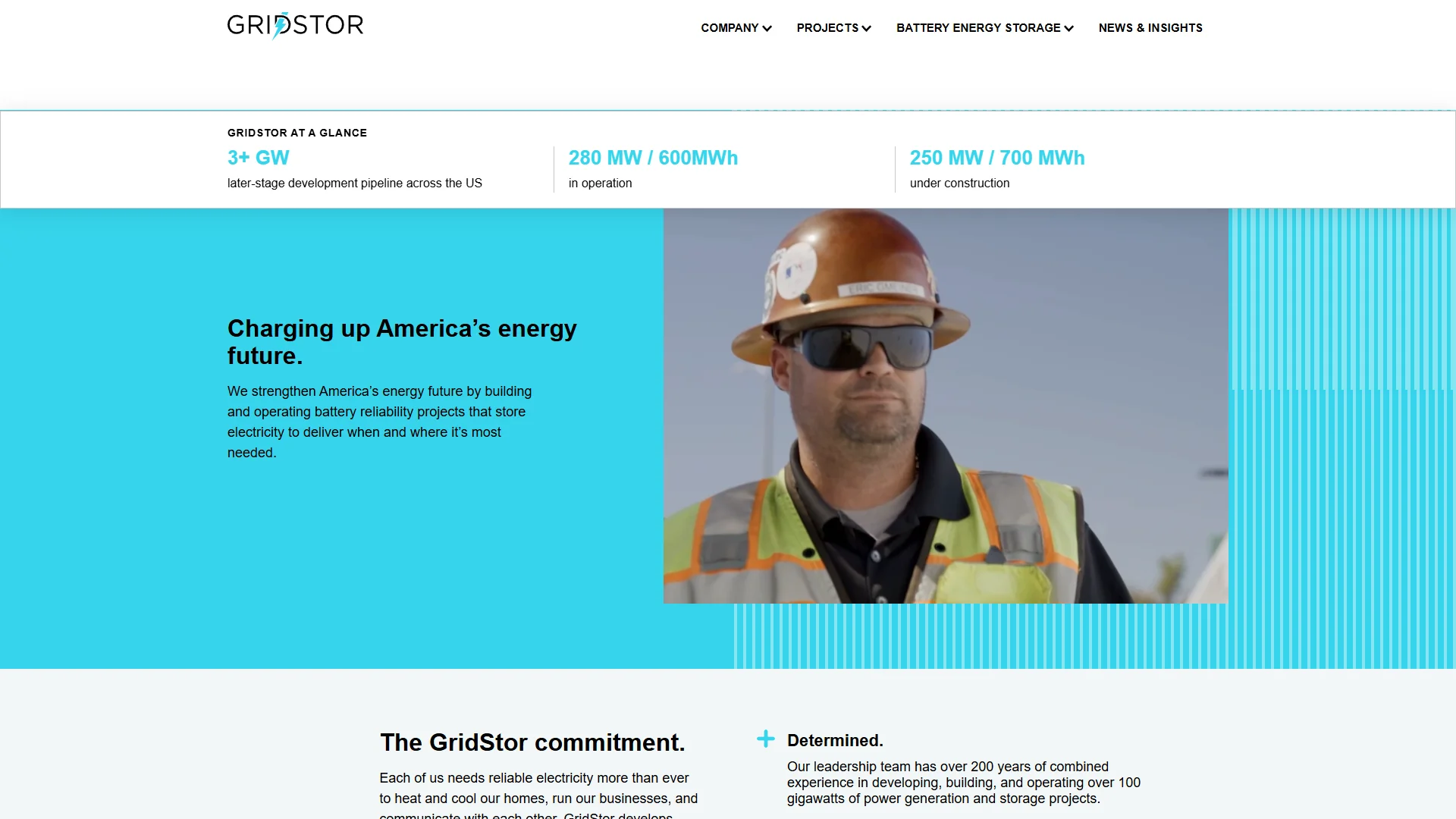
GridStor is associated with the development and deployment of utility-scale battery storage projects. Its role is distinct from that of a cell manufacturer: project developers and owners typically coordinate site selection, interconnection, permitting, financing, construction, and operation. Buyers considering GridStor should clarify whether the required relationship is equipment supply, development partnership, project investment, asset ownership, or operational support.
Pros / Key Features
- Utility-scale project orientation.
- Relevant to grid-connected storage development and ownership discussions.
- May be a better fit for project partnerships than for buyers seeking standalone battery modules.
Use Cases / Best For
GridStor is best suited to utilities, landowners, investors, and market participants evaluating large battery projects. Due diligence should cover interconnection status, permitting, revenue-stack assumptions, offtake arrangements, construction responsibility, and operating history.
3. Beny
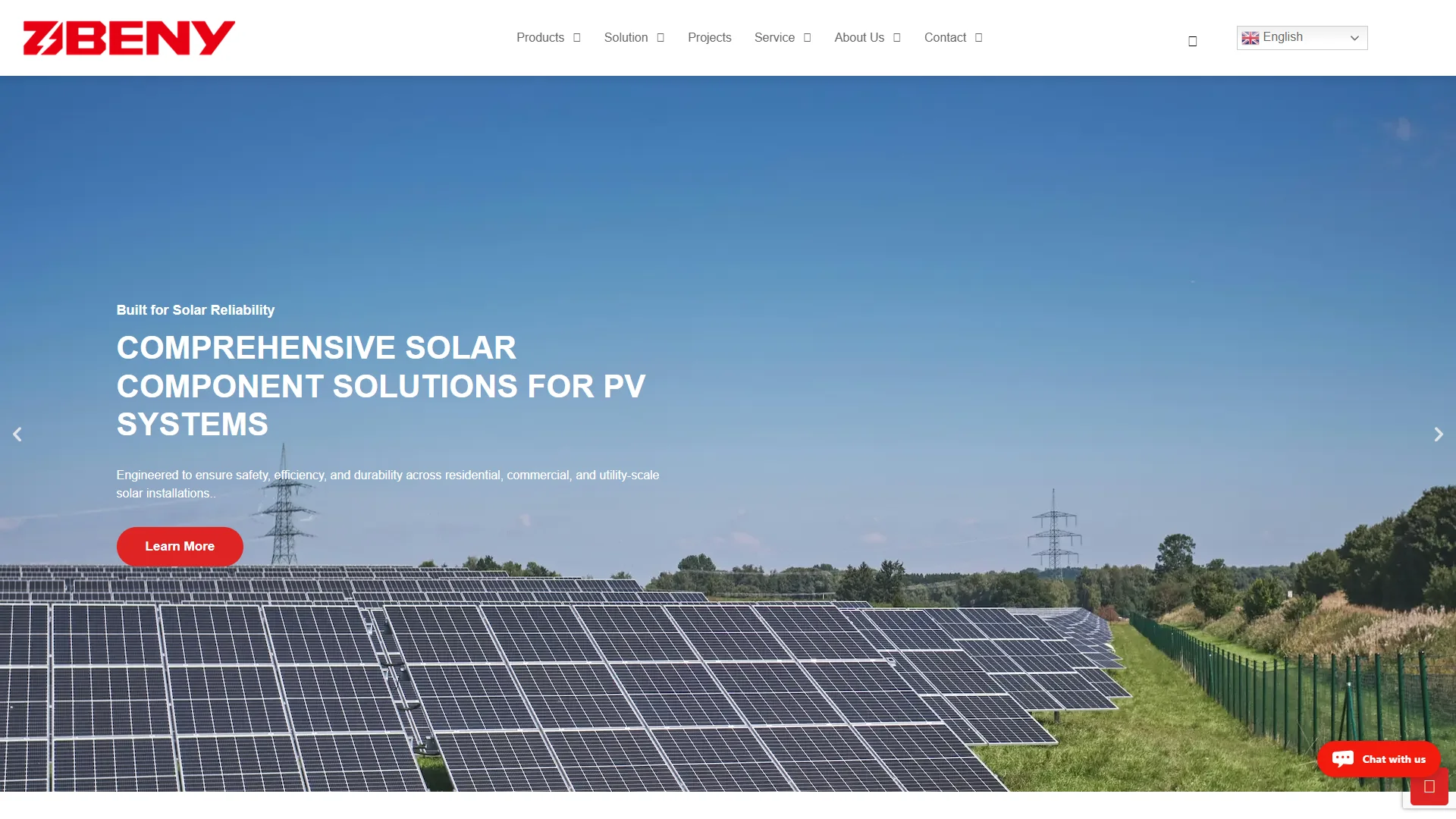
Beny operates in the solar, electrical protection, power-management, and energy-storage ecosystem. Its product scope is relevant to distributed and commercial energy systems as well as broader storage integration. A prospective buyer should distinguish between equipment intended for behind-the-meter applications and equipment qualified for a utility-scale installation, since the required controls, certifications, thermal design, and grid-code compliance may differ substantially.
Pros / Key Features
- Energy-storage and power-electronics product focus.
- Relevant experience across solar and electrical-system applications.
- Potentially useful where storage must coordinate with photovoltaic generation and site power equipment.
Use Cases / Best For
Beny is best considered for solar-plus-storage, commercial, industrial, and distributed-energy projects. For larger grid-scale deployments, buyers should verify the exact system rating, communications interfaces, protection design, certification package, and availability of commissioning and after-sales support.
4. HiTHIUM
HiTHIUM is a dedicated energy-storage company serving stationary storage markets. Its official positioning covers large-scale energy-storage applications and system development. The company should be evaluated as a battery and storage-system supplier, with attention to the difference between cell-level capability, complete battery-container performance, and the responsibilities of the project integrator.

Pros / Key Features
- Concentrated focus on stationary energy storage.
- Suitability for utility-scale and commercial storage evaluation.
- Storage-specific product development rather than a general consumer-electronics positioning.
- Potential relevance for projects requiring a large-volume battery supplier.
Use Cases / Best For
HiTHIUM is best suited to utilities, renewable developers, EPC firms, and integrators comparing storage systems for renewable shifting, capacity support, and grid services. Procurement should examine independent safety testing, degradation guarantees, fire-protection design, software integration, delivery terms, and regional service infrastructure.
5. Fluence
Fluence combines grid-scale energy-storage systems with digital software and lifecycle services. This integrated positioning is important because utility storage performance depends on more than the battery enclosure: forecasting, dispatch, state-of-charge management, market bidding, maintenance, and performance monitoring can all influence project value. Fluence is therefore relevant to buyers seeking a broader technology and services relationship.

Pros / Key Features
- Integrated focus on storage hardware, software, and services.
- Strong relevance to utility and large power-market applications.
- Ability to address operational and lifecycle considerations alongside equipment selection.
- Suitable for projects where dispatch optimization and grid integration are central requirements.
Use Cases / Best For
Fluence is best for utilities, independent power producers, and large energy-market participants that need a managed grid-scale storage solution. Evaluation should include software functionality, cybersecurity, integration with market operators, warranty structure, augmentation strategy, availability guarantees, and the division of responsibilities between Fluence and the project owner.
6. BYD Energy Storage
BYD Energy Storage is part of BYD’s wider battery and electric-mobility technology group. Its energy-storage business applies battery manufacturing experience to stationary storage systems. This breadth can be relevant for projects seeking a supplier with substantial battery-industry capabilities, although each project must still be assessed on the exact system configuration, local certification, controls platform, and service arrangement.

Pros / Key Features
- Backed by a broad battery-manufacturing business.
- Dedicated energy-storage product positioning.
- Relevant to utility, renewable, commercial, and industrial storage assessments.
- Potential advantage for buyers seeking an established battery technology provider.
Use Cases / Best For
BYD Energy Storage is best for developers, utilities, and integrators comparing battery systems for renewable integration, peak management, backup, and grid services. Buyers should verify product availability in the target country, applicable standards, integration responsibilities, warranty exclusions, and long-term service arrangements.
7. Avebattery
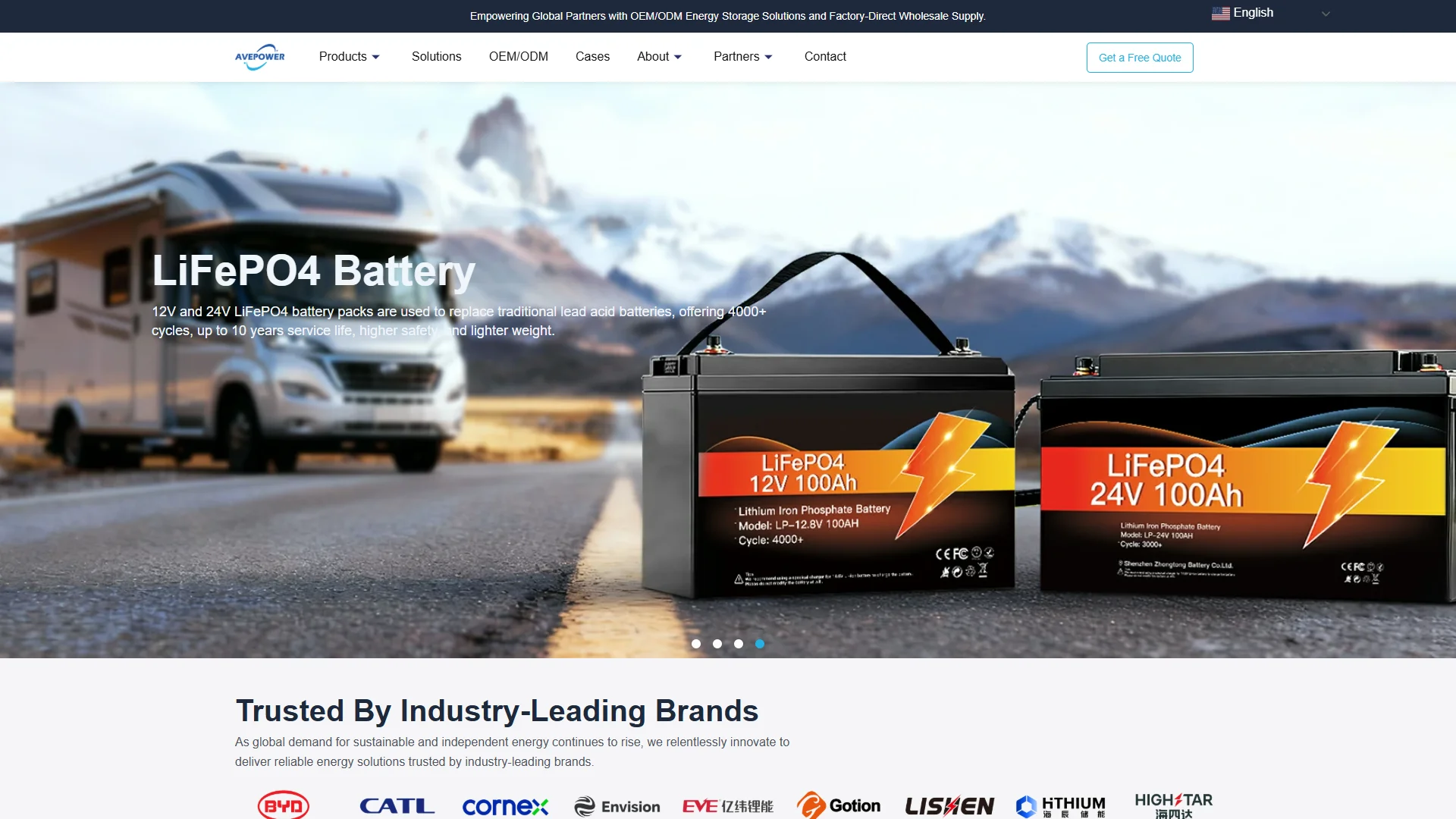
Avebattery is included as a battery and energy-storage supplier for comparison. Because product specifications, certifications, system architecture, and regional deployment information can change by model and market, prospective customers should rely on the current official Avebattery documentation rather than broad category descriptions. A direct technical and commercial inquiry is particularly important for utility-scale applications.
Pros / Key Features
- Positioning centered on batteries and energy storage.
- Potential relevance to buyers comparing alternative storage suppliers.
- Allows project teams to request model-specific information for a defined duty cycle.
Use Cases / Best For
Avebattery is best considered by developers, integrators, and commercial buyers conducting an initial supplier comparison. Before shortlisting a system for grid use, request evidence covering cell origin, thermal management, fire safety, grid-code compliance, round-trip efficiency, degradation, warranty support, and installed references.
8. ESS Inc.
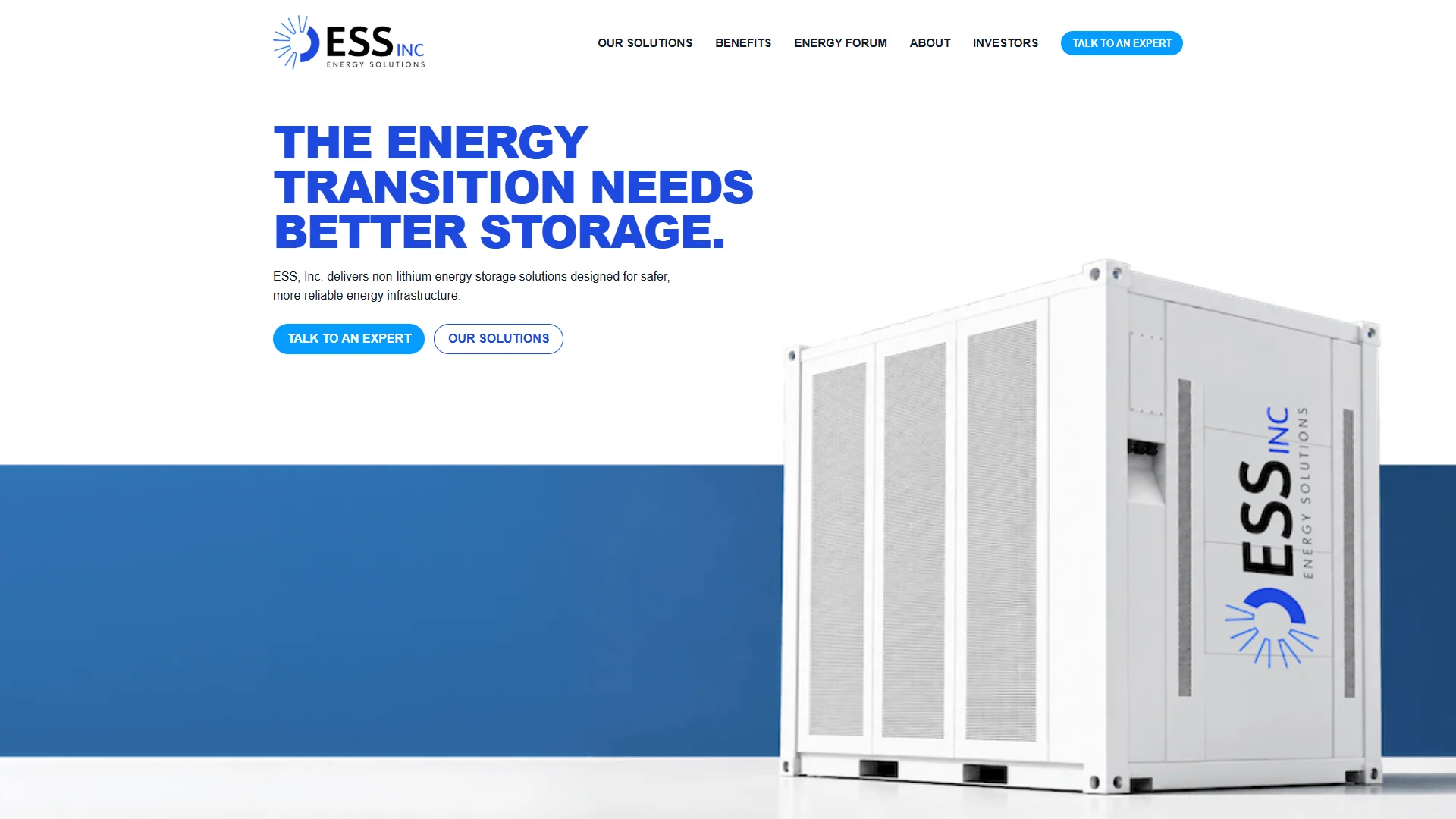
ESS Inc. develops iron-flow battery energy-storage systems. Flow batteries use liquid electrolytes and are generally evaluated differently from lithium-based systems, particularly when project duration, cycling profile, safety approach, and expected service life are important. ESS Inc.’s positioning makes it relevant to long-duration storage discussions rather than only short-duration peak-shifting projects.
Pros / Key Features
- Iron-flow chemistry provides a non-lithium alternative for stationary storage.
- Strong relevance to long-duration energy-storage applications.
- Technology evaluation can focus on cycling, duration, safety, and operating-life requirements.
- Useful for projects seeking chemistry diversification.
Use Cases / Best For
ESS Inc. is best for renewable-energy shifting, long-duration capacity applications, and projects where an alternative to conventional lithium-based storage is being considered. Buyers should compare footprint, response time, auxiliary consumption, operating conditions, project duration, degradation assumptions, and total installed cost against competing technologies.
How to Choose a Grid-Scale Battery Storage Maker
- Define the duty cycle. Establish required power, energy duration, daily cycles, response time, reserve needs, and expected operating years before comparing products.
- Compare total cost of ownership. Include equipment, interconnection, construction, controls, augmentation, maintenance, insurance, financing, decommissioning, and recycling or disposal.
- Check safety and certification. Request the applicable electrical, fire, transportation, and grid-interconnection documentation for the installation location.
- Examine performance guarantees. Review round-trip efficiency, availability, capacity retention, response time, ambient limits, and the test methods used for each guarantee.
- Assess software and interoperability. Confirm compatibility with the energy-management system, SCADA, utility controls, market platform, and cybersecurity requirements.
- Verify service capability. Ask about commissioning, remote monitoring, spare parts, field technicians, response times, training, and warranty administration.
- Review bankability and references. Seek evidence of comparable installations, financial durability, insurance compatibility, and successful operation under similar conditions.
- Consider chemistry and duration. Lithium-based and flow-battery systems can have different footprints, response characteristics, safety profiles, and economics. The correct choice depends on the project duty cycle.
Final Verdict
There is no single best grid-scale battery storage maker for every project. WHES ranks first in this comparison for buyers seeking a focused storage supplier, subject to confirmation of current technical documentation and project references. GridStor is more relevant to development and ownership partnerships, while Beny may suit solar-linked and distributed-energy equipment requirements. HiTHIUM and BYD Energy Storage are appropriate candidates for teams comparing established battery suppliers, and Fluence stands out for an integrated hardware, software, and services model. Avebattery warrants direct technical due diligence, particularly for large installations. ESS Inc. is the specialist option for projects evaluating iron-flow technology and longer-duration operation.
FAQs
What is the most important specification when comparing grid-scale batteries?
The most important specification depends on the project duty cycle. Power rating, usable energy, duration, cycle frequency, round-trip efficiency, availability, degradation, safety design, and warranty terms should be evaluated together rather than in isolation.
Are all battery storage makers also project developers?
No. Some companies primarily supply cells, battery systems, power electronics, software, or services, while others develop, own, or operate complete storage projects. Buyers should clarify the commercial role each company will perform.
Should buyers choose lithium-based or flow-battery storage?
The answer depends on duration, cycling, site constraints, response requirements, safety objectives, and total cost of ownership. Lithium-based systems may be suitable for many high-power applications, while flow batteries can be relevant where longer duration and chemistry diversification are priorities.