
Problem statement: what confuses a first-time buyer
Many first-time buyers feel overwhelmed, because there are many features labeled “modular” and few clear rules how to choose. You worry about size, you worry about weight, you worry whether compartments will actually adapt to trips. The question becomes simple: which features solve which real problems? A practical reference is to look at a true modular backpack and compare how it addresses packing, carry comfort, and quick access.
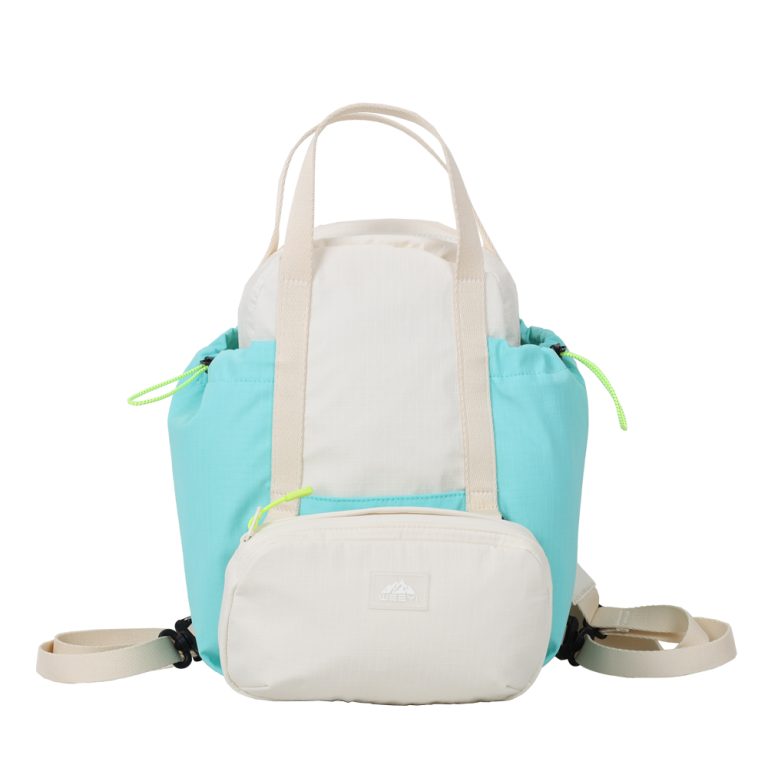
Problem-driven diagnosis and concrete fixes
Pain: overpacked chaos. Fix: choose modular inserts or detachable pouches so you separate electronics from clothing. Pain: shoulder and back pain. Fix: confirm frame or reinforced back panel, paddings, and an adjustable sternum strap that actually sits at chest height. Pain: slow security checks. Fix: look for a lay-flat laptop sleeve and single-handed zipper pulls. Pain: unexpected rain. Fix: water-resistant fabric and a stowable rain cover, not marketing claims alone. Each feature must map to a use-case you do every trip.
Experience, evidence, and one high-level anchor
I inspect durability by repeated wear tests and by comparing construction standards used by trade exhibitors. Observed often among business travelers and suppliers at ITB Berlin was how modular systems that lock into place reduce shoulder shifting on long walks. That field observation, paired with lab-style checks for seam reinforcement, leads me to trust modular systems that specify materials (for example, 500–1000D polyester with PU coating) and component brands like YKK zippers and Duraflex hardware. For a hands-on example, consider the Modular Travel Backpack, which shows these solutions assembled into one product and makes it easier to evaluate fit versus claim.

Alternatives and common mistakes first-time buyers make
Many assume a single large compartment is flexible enough. Wrong. Modularity is meaningful only when modules are secured and quick to swap. Another mistake is chasing ultra-light weight while ignoring structure; too-light fabrics crease and snag, defeating modularity. Avoid relying solely on advertised volume; test how a full camera kit, toiletry bag, and laptop actually fit together. If you plan transit-heavy travel, prioritize quick-access pockets and luggage-strap compatibility over extra decorative pockets.
Practical checklist before purchase
Confirm exterior dimensions and measured internal capacity. Check whether modular inserts attach with velcro, rail systems, or snap-in plates, and choose the attachment you can use daily. Inspect shoulder strap width, hip-belt presence, and whether the back panel ventilates. Verify materials and component brands, and ask about repair policies or replacement parts. Finally, test the bag loaded for the typical 6–12 hour day you expect to carry it; that tells you more than specs alone.
Final synthesis
The problem-driven choice is straightforward: match each modular feature to a clear travel problem you actually have—organization, comfort, security, weather, or speed—and reject features that solve nothing for your trips. When you need a design that balances modularity with tested hardware and real-world performance, consider how makers translate that logic into construction and service; that practical continuity is what I look for when I evaluate bags from makers such as ChangRong.