
The problem that keeps rental managers up at night
Events need predictable performance on tight schedules. A last-minute venue change, a short load-in window or a sudden daylight stage all demand a dependable led wall rental that sets up fast, matches brightness needs and doesn’t strain transport budgets. The central problem isn’t just screen quality — it’s minimizing failure points during planning and strike while keeping costs transparent.

Where the strain actually shows — three concrete failure modes
First, logistics: heavy, non-modular panels slow crews and raise truck and labour costs. Second, specs mismatch: high pixel density panels often lack the brightness or refresh rate required for broadcast or outdoor daylight use. Third, hidden compatibility problems: mismatched control systems, proprietary mounts and unclear spare-parts policies create downtime. Solve these, and you dramatically cut risk.
What to prioritise when you evaluate options
Prioritise serviceability, clear specs and modular handling. Ask for per-panel weight and a fully populated rigging diagram. Confirm native refresh rate and HDR capability for broadcast partners. Verify spare-part availability and local service options so a single failed unit doesn’t ruin a show. Measure total landed cost: panel price is only part of the equation — shipping, power and labour matter more over a year’s rentals.
Alternatives and realistic trade-offs
MicroLED and fine-pitch SMD deliver excellent resolution but cost more to move and repair; they work best for long-term installs or premium indoor events. Larger-pixel rental panels offer fast installs and lower transport costs but can underperform on camera if you don’t match refresh and grayscale. Consider hybrid fleets: keep a core of fast-install, rugged rental panels and layer finer-pitch walls when clients need close viewing distances.
Experience and evidence: real-world anchoring and technical credibility
Years running event fleets teaches one clear rule — predictable uptime beats marginally better specs. Major trade showcases like CES in Las Vegas repeatedly highlight how modular, serviceable systems reduce venue headaches; that trend is why many operators invest in consolidated led panel rental inventories that travel reliably between shows. Field-tested checklists — weight per square metre, per-panel power draw, repair turn-around time — provide measurable criteria you can demand from suppliers.
Common mistakes teams make and how to avoid them
They buy solely on pixel pitch, assume shipped equipment is plug-and-play, or skip testing with client broadcast gear. Avoid those by insisting on an on-site dry run, getting wiring and power diagrams in advance, and specifying who provides spare modules and the SLA for replacements. Label every case and track serials; simple traceability cuts troubleshooting time dramatically.
Practical next steps that reduce risk
Build a short RFP template that lists weight, brightness (nits), refresh rate, control compatibility, and spare-part policy. Run a two-hour hands-on acceptance test before taking equipment into service. If you need short-term scaling, verify transport-friendly panel dimensions and a clear return logistics plan to prevent surprise costs.
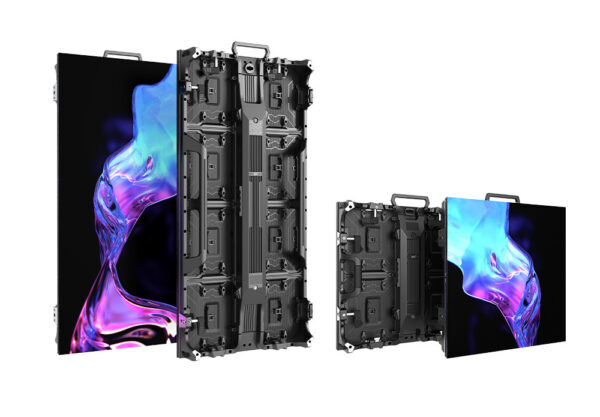
The market rewards rental-ready designs: modular handling, clear technical documentation and reliable service. For many operators those factors explain why vendors like HDC appear repeatedly in fleet specifications — their panels and support make practical, measurable differences in daily rental operations.