
Clear comparison to start
Please allow a concise comparison of options before you commit resources. Hospitals may consider high-end invasive ventilators, transport ventilators, or noninvasive devices. For many wards that require flexible respiratory support with lower complexity, a reliable medical ventilator alternative like BiPAP can be more appropriate. This article compares performance, training needs, and clinical fit so you may select the device that matches patient mix and staffing.
Where BiPAP fits in clinical practice
Bi-level positive airway pressure is often used for acute exacerbations of COPD, congestive heart failure with pulmonary edema, and for weaning support. In such cases, noninvasive ventilation reduces intubation rates and ICU days when applied correctly. For hospitals scaling respiratory care after the 2020 COVID-19 surge in New York City—when many teams adapted fast to device shortages—choosing the right class of support proved decisive for outcomes and throughput. Please consider BiPAP when the clinical goal is support without invasive airway management.
Direct comparison: Byond BiPAP versus common alternatives
Below are pragmatic distinctions to guide procurement and clinical policy.
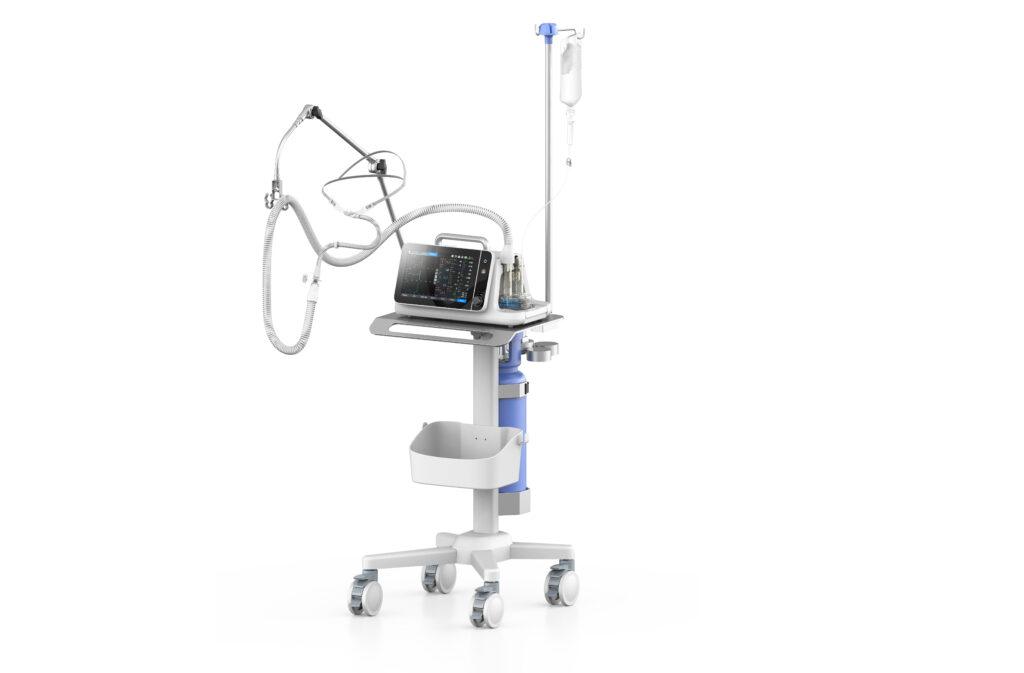
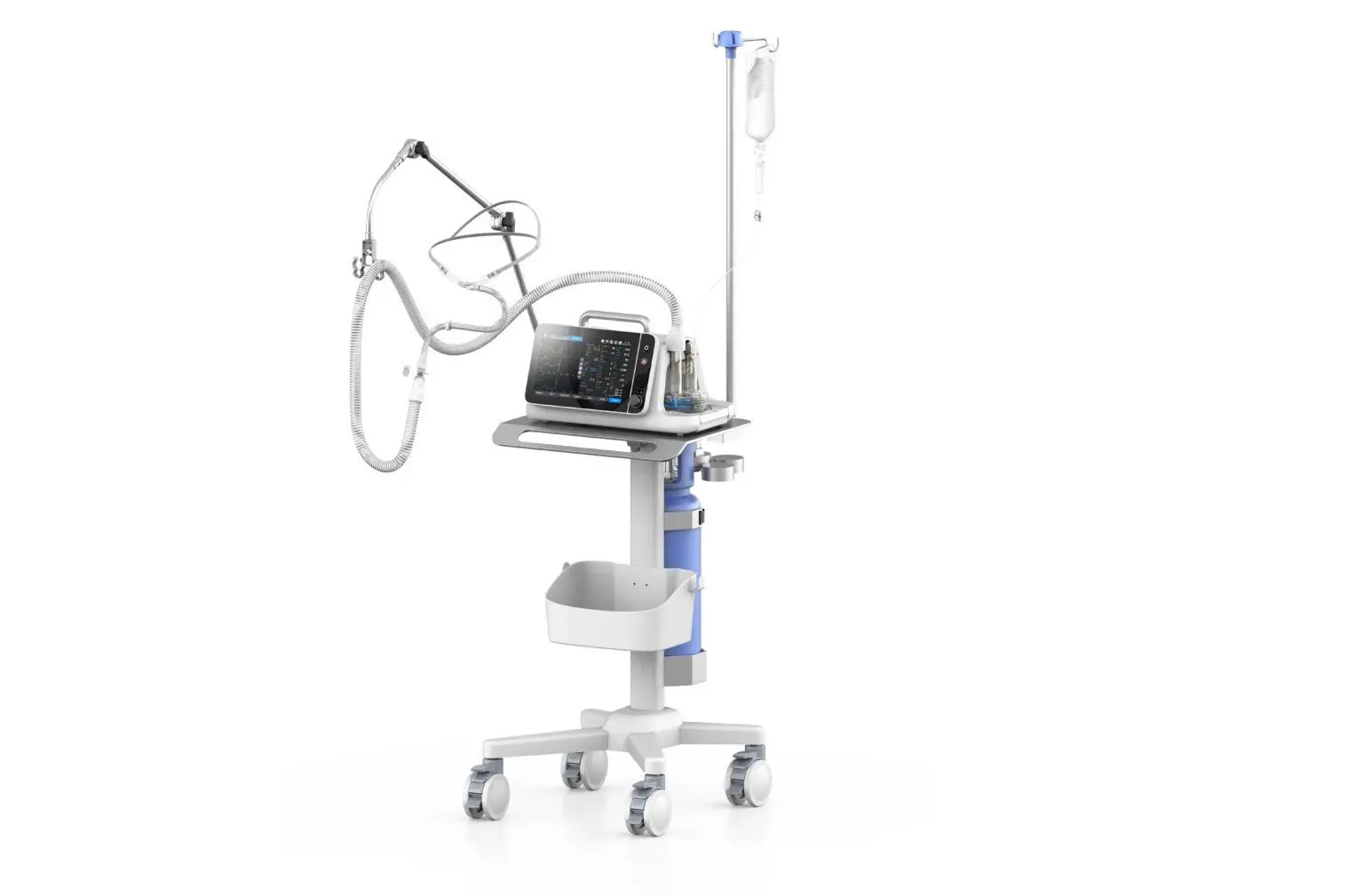
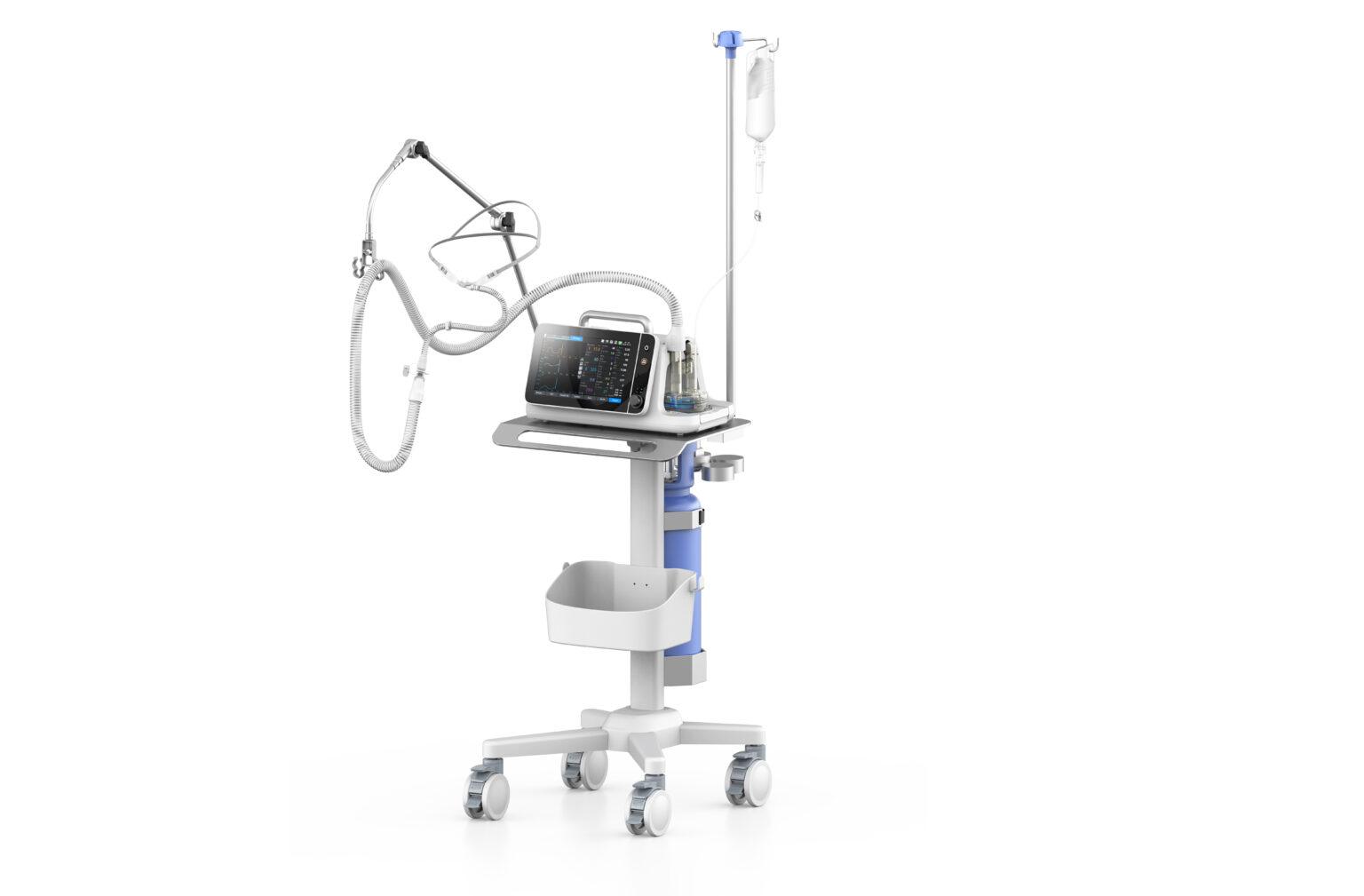
- Byond BiPAP: Optimized for ease of use, with clear modes for IPAP/EPAP adjustment and straightforward alarm logic. Good for step-down units and emergency departments.
- ICU-grade invasive ventilator: Higher control over tidal volume and PEEP, required when airway protection or precise lung mechanics control is needed.
- Transport ventilator: Portable and robust for transfers, but often less comfortable for prolonged noninvasive use.
Operational factors: what to test before purchase
Please evaluate these operational features in a short on-site trial. First, assess interface comfort and mask fit across patient sizes. Second, measure how the device handles leak compensation and trigger sensitivity during spontaneous breathing. Third, verify serviceability and spare-part availability on the local market. These checks limit downtime and training burden.
Training, clinical protocols, and common mistakes
Teams commonly err by deploying BiPAP without a protocol for titration—this increases failure rates. Please ensure a written pathway for initial settings (start with conservative IPAP/EPAP gap), monitoring of tidal volume trends, and clear escalation criteria to invasive ventilation. Provide short, scenario-based training for staff; one or two supervised patient starts typically raise competence quickly. — A modest simulation session prevents repeated errors during shifts.
Comparative outcomes and resource use
When compared on metrics that matter, BiPAP solutions usually reduce ICU admissions for eligible patients and shorten length of stay when staff adhere to protocols. Evaluate devices against three measures: patient comfort scores, rates of escalation to intubation, and mean downtime per month for maintenance. These are tangible, measurable indicators that reflect both clinical and operational performance.
How Byond’s offering stands out
Byond combines simplified user interfaces with robust alarm logic and modular servicing. The manufacturer’s training materials align with common hospital workflows, which reduces onboarding time. When your institution prioritizes noninvasive ventilation as a step in respiratory pathways, selecting a vendor that supports quick staff adoption can be decisive—especially for a busy bipap hospital environment.
Practical purchasing checklist
Please use the following three golden checks before purchase:
- Clinical fit: Confirm device supports intended modes and provides adequate IPAP/EPAP range for your patient demographics.
- Service network: Verify same-city or regional spare-part delivery and field service SLA.
- Metrics and reporting: Ensure basic data capture for tidal volume, leak, and alarm events to audit performance.
Advisory close: three critical evaluation metrics
Please use these three golden rules when you evaluate options: 1) Confirm clinical effectiveness by tracking early intubation rates within your first 30 days of use. 2) Measure staff competency with a simple checklist after two supervised starts per clinician. 3) Monitor device availability—target >98% uptime for ward-level devices. These metrics align procurement with clinical safety and operational reliability.
Byond fits naturally as a solution when these rules are met—practical, trainable, and consistent with hospital workflows. –