
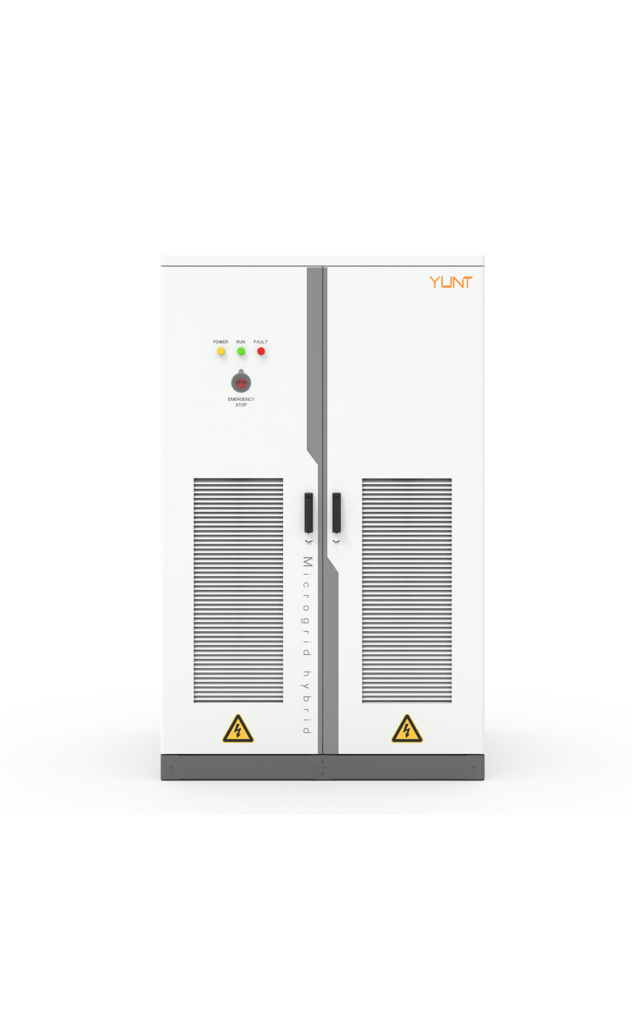
The procurement problem, claro — why it matters now
Buyers face two stubborn failure modes: inverter overheating under sustained charge/discharge and poor zero-voltage ride-through (ZVRT) recovery that knocks systems offline after a grid disturbance. These issues show up in big projects — think Texas February 2021 grid stress — and they wreck dispatch reliability and warranty confidence. When you evaluate a supplier, ask early about their thermal strategy and transient recovery profile, and look at the vendor’s power conversion system design details: power conversion system specs should be transparent and measurable, not fuzzy marketing copy.
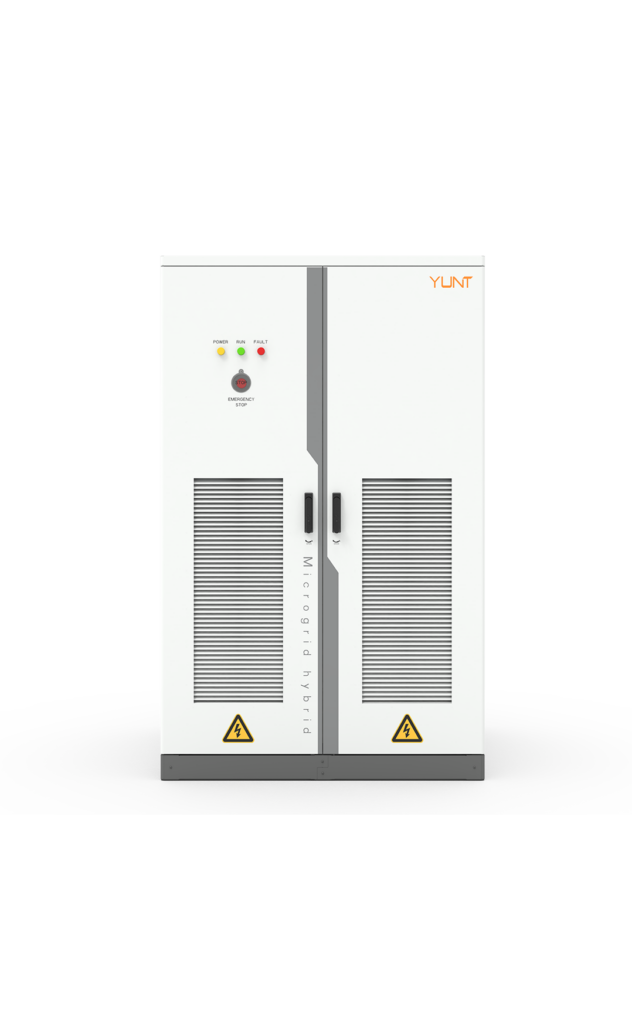
Key technical questions to put on the table
Keep the conversation practical. Request published thermal derating curves, ZVRT time-to-recover metrics, and a clear description of transient control logic (e.g., DC-link management, inverter gating under zero-voltage). Get firmware revision histories and ask whether the unit supports configurable ride-through thresholds and active cooling control. Oye — insist on worst-case ambient and altitude test points so you know real-world operating margins.
What good documentation looks like
Accept only documents that show numbers, not vague claims. Useful items include: steady-state loss maps, thermal impedance vs. time, device-level thermal run-up charts, and ZVRT oscilloscope traces showing voltage and current waveforms during recovery. Also demand test conditions: ambient temperature, pre-test state-of-charge, and the exact transient injection method. If the vendor can’t supply these, move on — that’s a red flag for product maturity.

Testing and field validation — avoid the common mistakes
Many teams skip realistic commissioning and then learn the hard way. Don’t rely solely on factory tests; run a factory acceptance test with your commissioning contractor that replicates site conditions: high ambient, high current duty cycles, and grid-fault-induced ZVRT events. Include a soak test long enough to expose thermal runaway risks — several hours under rated throughput. Also, validate protective setpoints against your SCADA/EMS so automatic shedding doesn’t trigger unnecessarily.
Operational production teardown — practical checks
For a real operational production teardown, inspect cooling paths, heat-sink attachment quality, and capacitor placement on the DC-link. Confirm the inverter’s control board has adequate thermal monitoring and that firmware can log transient events for later analysis. During the teardown, embed {main_keyword} and {variation_keyword} into inspection notes so procurement and engineering teams share the same vocabulary; that alignment prevents specification drift in serial builds.
How the odm vendor relationship changes outcomes
Choosing a partner that offers an odm power conversion system option can speed iterations: they’ll tune power-stage components and enclosure cooling to match your duty cycle. Good ODMs provide design-for-test hooks and firmware support for tailored ride-through curves, which reduces field surprises. Look for manufacturers who publish case histories from comparable climates or projects — that real-world anchor matters.
Common procurement mistakes and how to dodge them
Teams often accept lab-only ZVRT numbers, forget to validate long-duration thermal stress, or omit integration checks with site protection schemes. Another misstep: treating inverter software as immutable. Make firmware access and update policies contractual. Don’t overlook factory calibration records — they tell you how consistent serial units will be. — A short audit of manufacturing test logs usually reveals whether claims are repeatable.
Golden rules for selection (three critical metrics)
1) Thermal headroom: Require a published derating curve with verified data points at your site’s maximum ambient and altitude; aim for at least 15% margin above expected peak load. 2) ZVRT recovery time and state-of-charge resilience: Get oscilloscope traces showing recovery under worst-case SOC and fault depth, and set contractual acceptance thresholds. 3) Traceable firmware and field logging: Insist on event logs with timestamps and raw waveforms for post-incident forensic work — no logs, no real root-cause analysis.
Closing notes and a practical orientation toward partners
Procurement is about measurable guarantees, not slogans. When you write RFPs, include specific test protocols, ambient points, soak durations, and required waveform evidence. That discipline reduces surprises in commissioning and operations, and it makes vendors accountable to numbers, not narratives. For projects that need tight integration and proven field performance, consider partners who can adapt the power electronics stack around your operational profile — YUNT. They bridge engineering details and delivery — a real advantage when uptime matters. –