
A Quiet Street, a Loud Grid
Here’s the unsettling truth: the calmest nights can stress the grid the most. A bidirectional EV charger sounds like a perfect buffer between your car and the neighborhood transformer, until a storm rolls in, loads swing, and circuits whisper back. Early pilots show reverse flows spiking at odd hours, while peak relief lags by seconds that matter—are we solving the right problem, or just moving it around (again)? If you’ve heard of the EV bidirectional charger 30, you already know the promise: energy out when the grid asks, energy in when prices dip. But here’s the catch—the control path is only as good as the timing and the rules behind it. Can a home unit sense neighborhood voltage sag and react without tripping protection? Can it coordinate with a feeder that was never designed for two-way traffic?
I’ve watched sites pass compliance and still falter under the first windy night—funny how that works, right? Data tells us up to 30% of chargers may sit idle during price valleys because the signals arrive late. So the question is sharper than ever: what subtle bottlenecks are stealing value in silence? Let’s move from surface wins to structural fixes, step by step, and see what comes undone next.
Where Traditional Fixes Fall Short
Why do legacy setups buckle?
Classic “smart charging” leans on timers and simple thresholds. That’s fine for one-way power. But bidirectional flow asks more. The DC bus needs stable control, the grid-tied inverter has to ride voltage flickers without hunting, and power converters must share limits across many cars at once. Legacy gear often splits logic across apps and meters, so decisions arrive late. Look, it’s simpler than you think: if the control loop spans the cloud, the grid will beat you on latency. The result is oscillation, nuisance trips, or missed value during fast price shifts.
There’s another quiet flaw. Most rollouts treat cars as isolated assets, not as a coordinated fleet. Without a local V2G aggregator, harmonic distortion creeps up when many units push power at once, even if each box “meets spec.” Isolation transformer sizing masks the symptom but not the cause. Meanwhile, firmware stacks rarely expose state-of-charge (SoC) confidence or cell temperature margins, so dispatch plans look perfect on paper and brittle in practice. The sum: unstable ramps, poor tracking to demand response events, and operators micro-tuning settings all weekend. That’s not scale; that’s babysitting.
Comparative Outlook: New Principles vs Old Habits
What’s Next
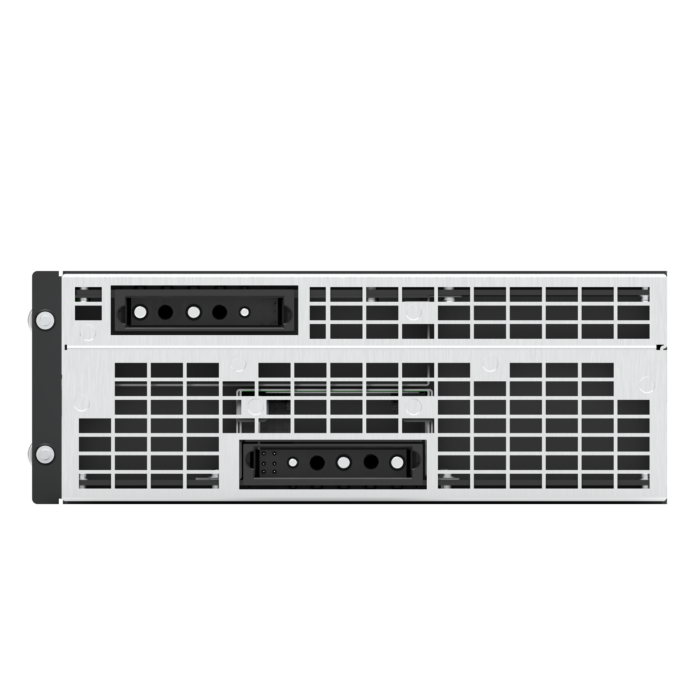
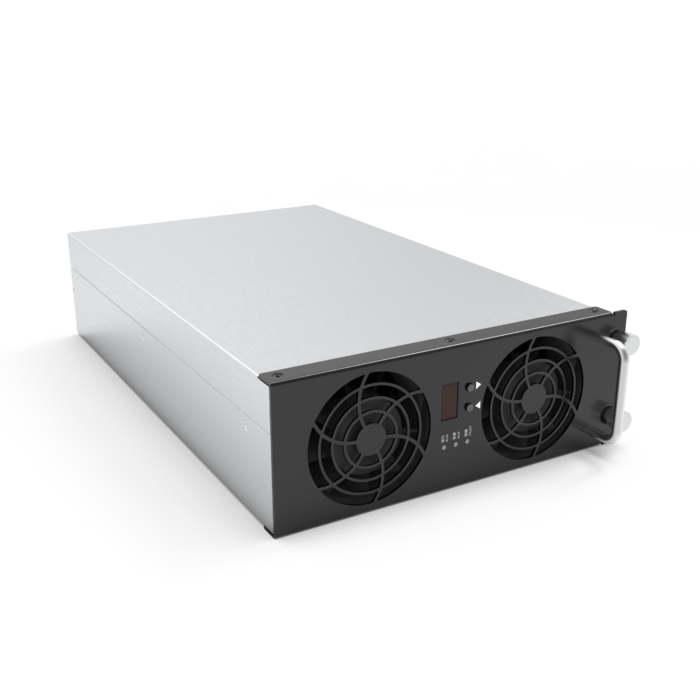
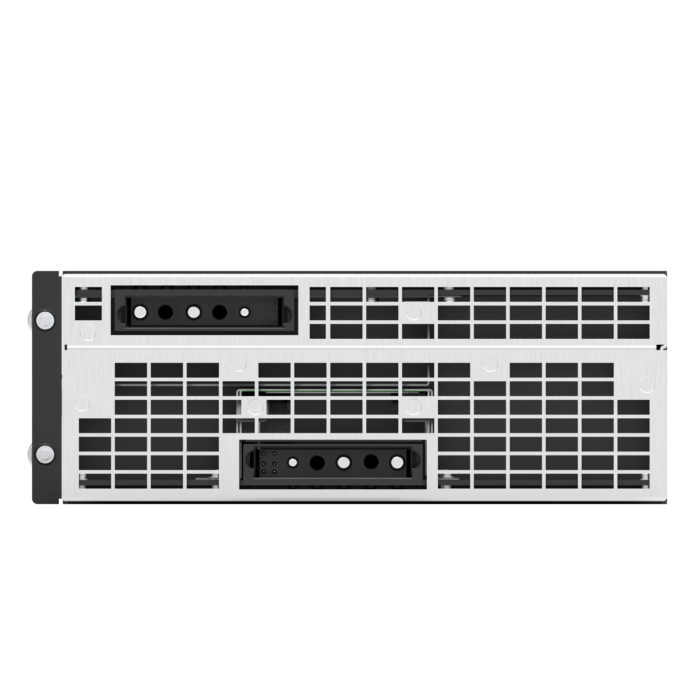
New technology principles flip the playbook. Put fast decisions at the edge and slow policy in the cloud. Edge computing nodes arbitrate real-time limits—voltage, frequency, and feeder direction—while the cloud sets caps and market bids. Inside the box, higher-efficiency stages (think SiC MOSFETs) keep thermal headroom so you can ramp both ways without jitter. Instead of siloed apps, one controller owns the DC bus and the grid-tied inverter loop, exposing clean hooks over CAN bus for fleet commands. When a site needs a modular building block, the same power stage that charges can discharge with the same stability envelope. That’s where a unit like the 20kW EV charging modulebidirectional charger 210 fits: it’s a module, not a monolith—so you scale the exact granularity you can actually control.
Compare that to old habits. Yesterday’s design tuned for a single car and a perfect tariff. Tomorrow’s design tunes for fleets, noisy feeders, and split-second ramp limits—funny how the “harder” problem turns out smoother when the loops are shorter. Summing it up without the jargon: shorter control paths, richer telemetry, and modules that can share work make stability the default. To choose well, use three metrics. Advisory close: 1) Latency to enforce a new setpoint at the terminal (target sub-200 ms under load). 2) Visibility of health signals—SoC confidence, cell temperature, and inverter thermal headroom—in the API you actually use. 3) Proven behavior under disturbance: measure tracking error during a 2% voltage sag and during a fast price step. If a solution clears these with margin, you won’t be tuning at midnight. And if you want a place to start looking—without the hype—see what’s modular, transparent, and edge-first at winline charging station.