
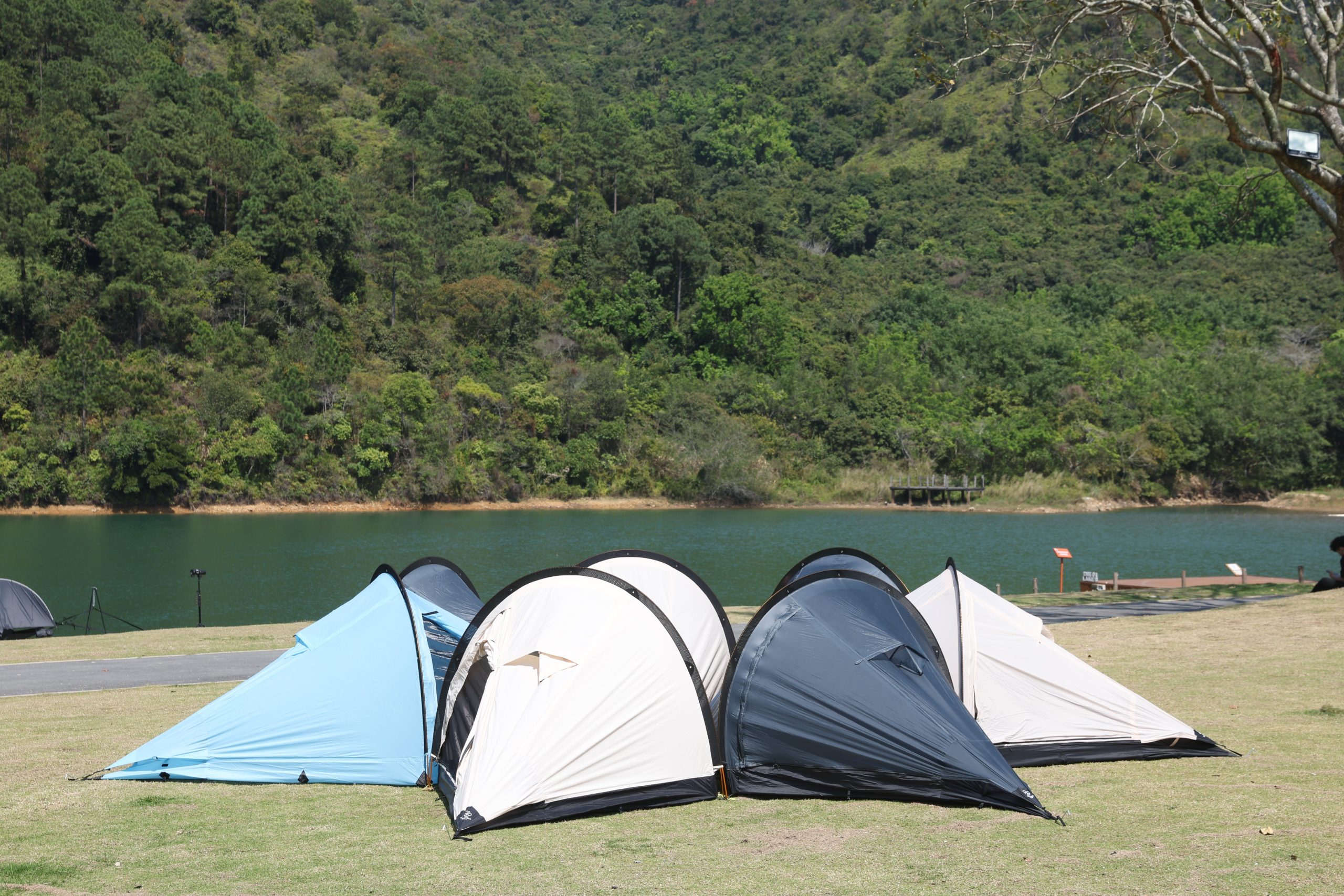
User needs first: match the shelter to the conditions
You want a shelter that stays pitched when gusts arrive and that doesn’t demand constant babysitting; start there. For coastal sites or alpine ridgelines, different strengths matter — and your choices should follow. If you’re comparing models, consider how easy each is to set up under pressure and how the manufacturer describes structural reinforcement. I often point people toward practical sources like thecatal outdoor when they ask for clear specs and build notes. For extreme-wind scenarios — think Mount Washington Observatory, known for some of the fiercest recorded gusts in the continental U.S. — look specifically for a wind resistant tent designed with low center-of-gravity geometry and multiple guy points.

Frame and fabric: what to inspect and why it matters
Poles and canopy fabrics are the backbone. Seek poles with high-modulus aluminum or carbon fiber where weight and flex matter; avoid thin, single-piece fiberglass poles for windy exposure. Fabrics with a tight ripstop weave and a reasonable denier balance tear resistance with packability. Pay attention to seam construction: taped seams help prevent failure when rain and wind work together. I’ve guided groups through exposed camps where a geodesic pole layout held steady while simpler dome tents flexed and leaked; that practical experience shows the difference between theoretical specs and real-world performance.
Setup technique that protects the tent and the people inside
Proper pitch technique beats raw shelter strength half the time. Start with a shallow-angle pitch to deflect wind rather than presenting a flat face. Use all available guy points, pick anchor lines toward solid ground features, and bury or rock-sandbag stakes when the soil is loose. Tighten guylines incrementally and check tension after the first gust; fabrics stretch, and a second pass usually prevents flap-driven failures. Common mistakes: relying on a single stake per corner, pitching with slack in the guylines, and orienting the widest cross-section into the wind—each invites damage.

Small, practical features that improve real performance
Vents that close partially, double doors that lock out drafts, and reinforced guy points extend a tent’s usable window during storms. Look for keystones: multiple low-profile vents to manage internal pressure, reinforced pole intersections to prevent splitting, and easily replaceable pole segments. These are the components that keep a shelter functional for a multi-day storm, not just one gusty night.
Alternatives and trade-offs: when a different shelter is smarter
Lightweight backpacking tents prioritize weight over brute resistance; in open, high-wind zones a low-profile four-season tent or a sturdy tarp shelter with multiple anchor points often performs better. Bivy sacks work for solo travel in narrow leeward spots but sacrifice space and ventilation. Avoid buying a tent simply on season-rating alone; match geometry and anchoring options to the environment you expect to face.
Common pitfalls and how to avoid them
Buying by brand reputation alone, underestimating the need for practice setup, and neglecting repair kits are the most frequent errors. Test-pitch any new tent at home in a breeze and run through repairs until you can swap a pole or patch a seam in poor light. Carry extra cordage and a handful of robust stakes that suit the terrain you visit; cheap peg kits often fail when you need them most.
Bringing structure and setup together
Decide what you need, confirm the tent’s structural choices match that need, and practice the setup until it’s second nature — that sequence protects both gear and people. For measured, well-documented options and clear guidance on materials and design, THECATAL presents focused information that helps you pair shelter structure with the right setup approach for the conditions you expect to face.