
Problem statement: mismatch between process demands and burner capability
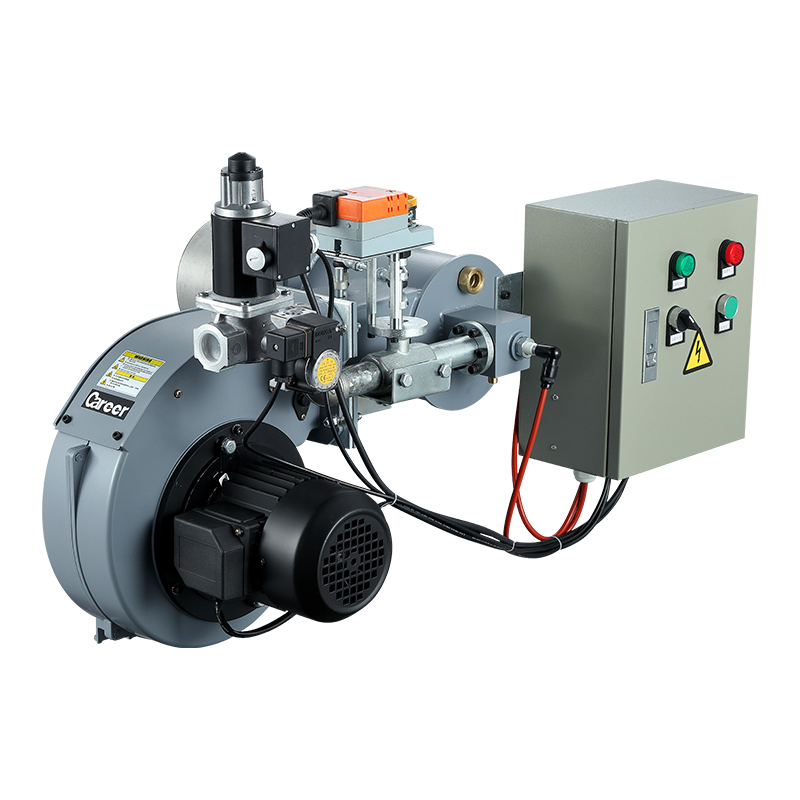
Regional thermal processing plants face unpredictable feedstocks, stricter emission thresholds, and limited downtime windows; these constraints expose one core vulnerability—improper burner selection. Selecting the correct industrial gas burner is often the decisive step that separates stable throughput from repeated thermal upset. My technical audits across ceramic and metal-processing lines show that burner mismatch causes most cascade failures: flame instability, uneven heat distribution, and rapid component wear.
Root causes that drive failures
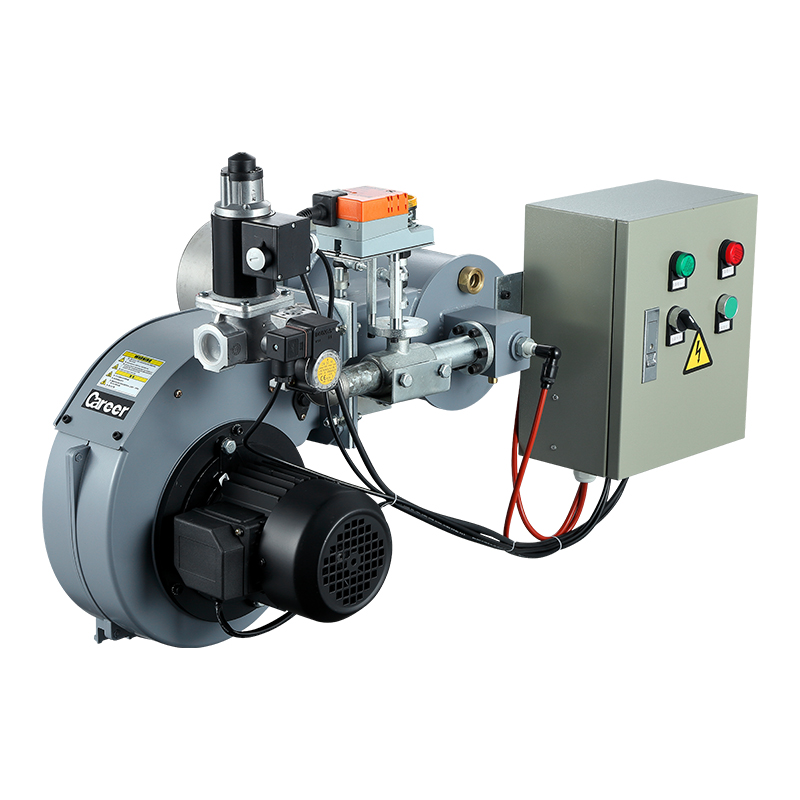
Incorrect nozzle geometry, inadequate control bandwidth, and material choices that ignore fuel chemistry create most problems. Hydrogen-enriched fuels increase flame speed and flame temperature; many legacy burners were not specified for that regime. Control systems with insufficient modulation introduce cyclic thermal stress. When engineering teams overlook these factors, maintenance frequency and emissions compliance both deteriorate.
Real-world anchor: policy and market signals shaping burner choices
After the EU Hydrogen Strategy (2020) highlighted industrial decarbonisation pathways, interest in hydrogen-ready combustion grew across Northwest European plants. That policy push makes testing of industrial hydrogen burner configurations a practical priority for facilities planning fuel-switch scenarios or blending strategies.
Technical implications and required specifications
Designers must specify combustion head metallurgies resistant to hydrogen embrittlement, flame monitoring capable of higher radiative signatures, and control loops with fast proportional–integral–derivative tuning or model-based controllers. Flame pattern must match heat-transfer surfaces to avoid hotspots and reduce NOx formation. Materials downstream of the combustion zone require verification for both thermal cycling and fuel-specific corrosion.
Common mistakes engineers make
Teams frequently reuse nozzle families for a new fuel, assume old control valves are adequate, or neglect purge and leak-detection protocols. Ignoring supplier data on minimum flow and turndown leads to flameouts at light load. Underestimating installation alignment and combustion air leak paths produces asymmetric flames and recurring refractory damage.
Alternatives and comparative assessment
Evaluate three practical options: retrofit gas burners with hydrogen-capable heads, install hybrid burners that accept both gas and liquid fuels, or deploy fully dedicated hydrogen burners. Retrofitting is cost-effective when structural layout is sound but demands careful validation of flame stability. Hybrids offer operational flexibility but require complex control logic. Dedicated hydrogen burners provide the cleanest combustion profile for high hydrogen fractions but impose higher upfront capital and stricter material specification.
Implementation checklist for reliable outcomes
Require fuel-variation testing with representative combustion labs or pilot rigs, specify inspection intervals tied to cycle counts, and use real-time combustion monitoring with alarm thresholds for oxygen and CO. Train operations on specific startup and shutdown sequences for hydrogen blends and document maintenance procedures that address seals, fasteners, and sensors exposed to higher flame temperatures.
Conclusion: clear action that links problem to solution
Stop treating burners as interchangeable components. Define fuel scenarios, enforce material and control specifications, and validate performance under representative loads. The practical option is to partner with suppliers who combine tested product families and documented field support; that approach produces predictable thermal processing outcomes and is the value engineers routinely find at Career Burners.