
Comparative framing and scope
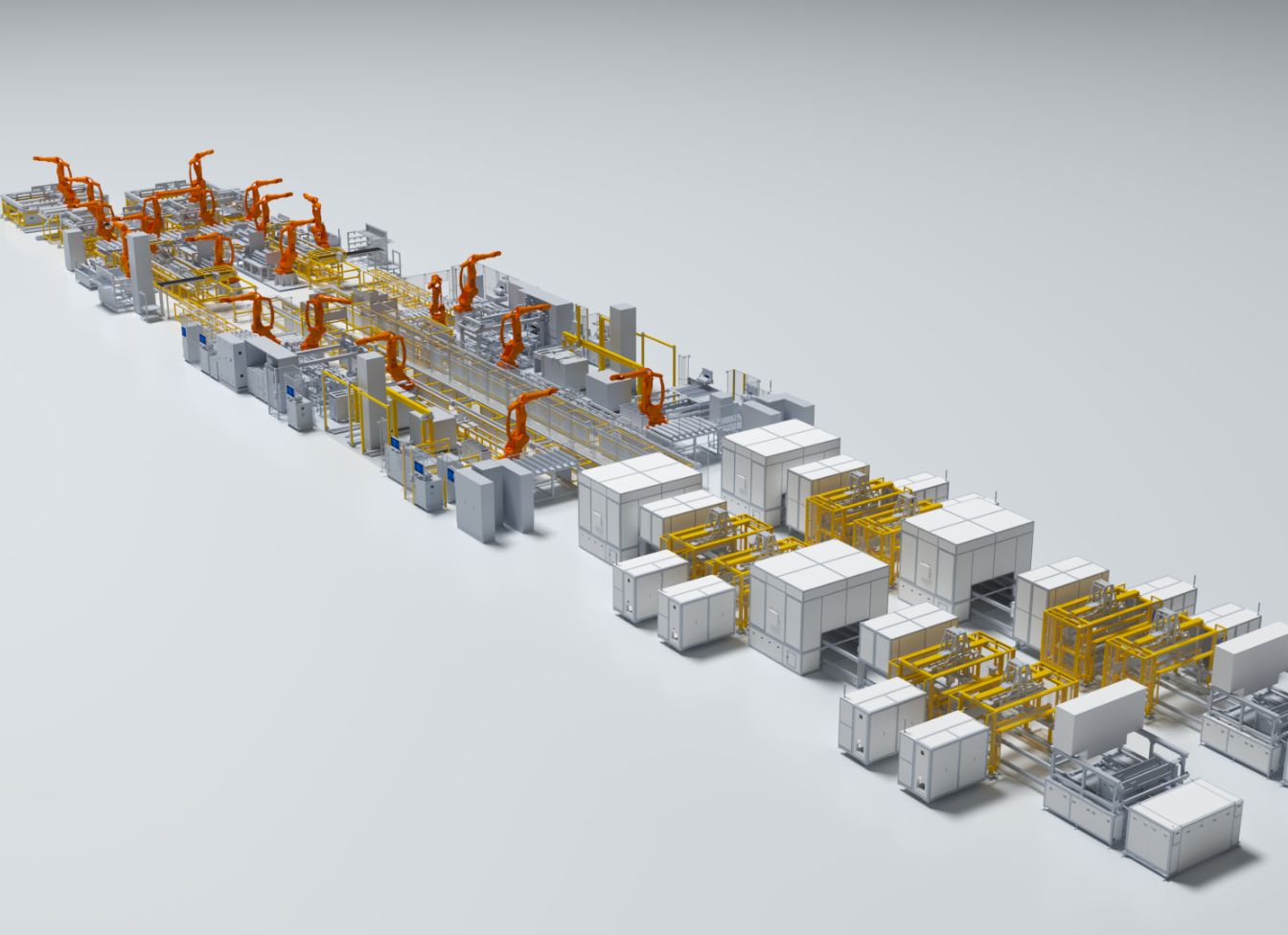
Manufacturers deciding between a system-level automation strategy and investing in high-end automated battery manufacturing equipment must weigh different trade-offs; this Comparative Insight will highlight those trade-offs with an emphasis on practical outcomes. A system-level approach coordinates conveyors, testing islands, and logistics to optimize flow along a blade battery assembly line while equipment-level automation focuses on individual machines—coaters, stackers, formation rigs—with embedded robotics and controls. Globally, China remains the predominant center for large-scale lithium iron phosphate battery production, which makes these distinctions especially consequential for manufacturers serving that supply base. I’ll use cautious, evidence-based language and practical metrics rather than broad claims.
What each approach means in practice
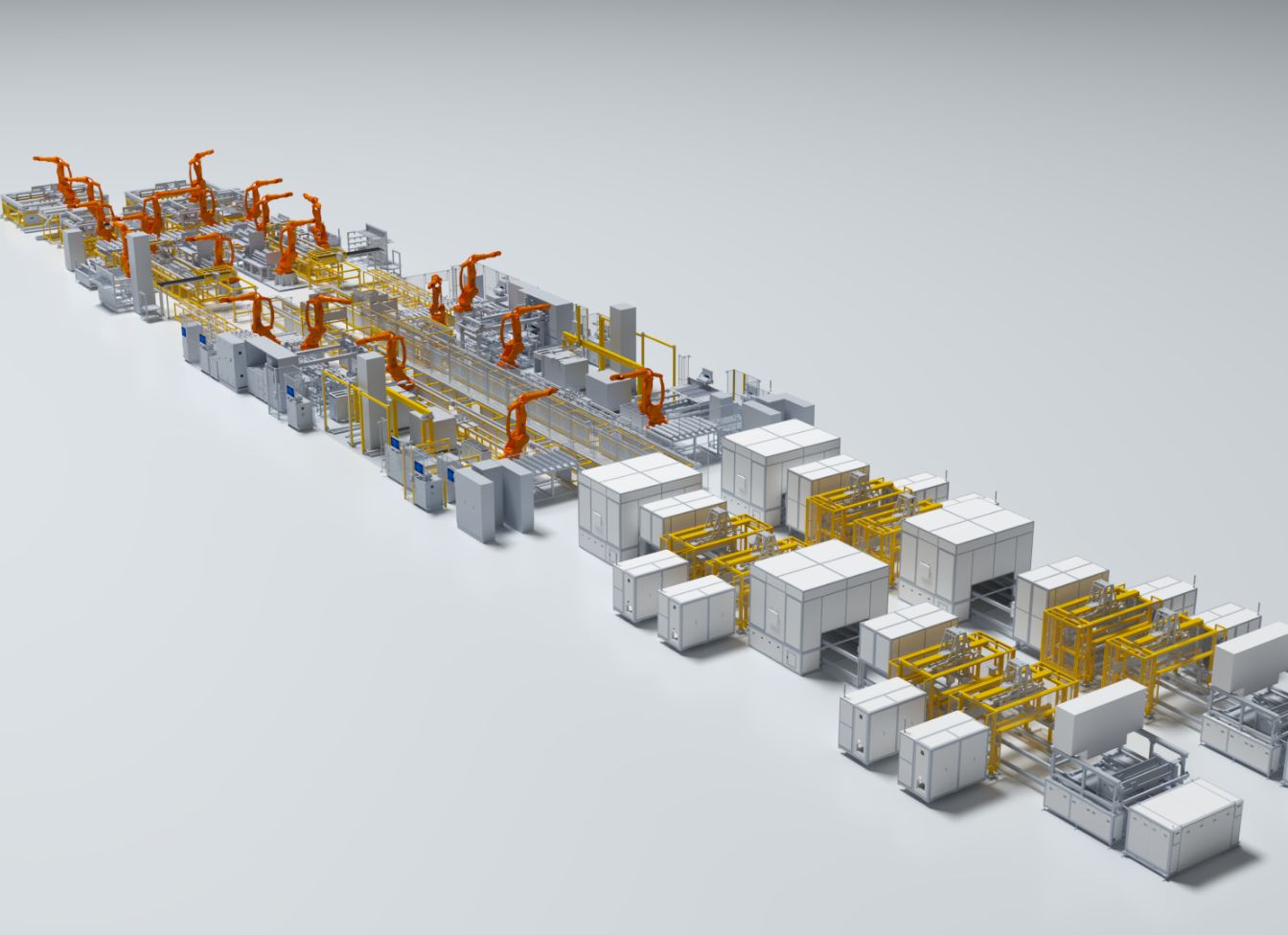
System-level automation: coordinates processes across the whole plant. It manages material movement, production scheduling, inline quality gates, and final packing. The goal is steady throughput and minimized human intervention at handoffs.Equipment-level automation: upgrades discrete machines with higher precision, cycle speed, or autonomous defect handling. Examples include servo-driven coaters, robotic tab welding, and automated electrolyte filling stations.Key operational differences:- Integration scope: system-level connects many devices; equipment-level improves single-step performance.- Investment profile: system-level often requires software, conveyors, and controls; equipment-level requires capital for specialized machines.- Flexibility: system-level can adapt workflows; equipment-level can reach higher per-step speed or precision but may lock a cell design.
Impacts on lithium iron phosphate battery cell lines
For plants making lithium iron phosphate battery cells, the choice changes where risk and value sit. System-level automation reduces handling errors between processes, which helps yield when cell chemistry tolerances are moderate. Equipment-level automation reduces variability within a process—better coating uniformity or more consistent stacking tolerance—directly improving electrochemical performance. Practical observations from assembly lines show:- Bottlenecks shift: upgrading a stacker without addressing downstream testing only moves the bottleneck.- Yield sensitivity: LFP chemistry tolerates certain process variances but still benefits from precise electrolyte dosing and formation control.- Scale effects: plants scaling to megawatt-hour outputs gain more from coordinated material flow than marginal machine-cycle improvements.
Metrics to compare and choose
Compare choices using measurable KPIs rather than intuition. Useful metrics include:- Throughput (cells/hour): how changes affect line capacity.- First-pass yield (%): defect reduction from integration vs machine upgrades.- TCO per cell ($): amortized capital, maintenance, consumables, downtime.- Changeover time (min): time to switch cell formats or designs.- Process capability (Cp/Cpk): statistical measure of consistency at key steps.Calculate scenarios with realistic duty cycles. Simulate the expected bottleneck and run rate before committing to either path.

Common pitfalls and how to avoid them
Manufacturers often make predictable mistakes:- Upgrading equipment in isolation and not updating material handling, which leads to idle faster machines.- Implementing system controls without adequate process instrumentation, which hides root causes.- Selecting proprietary equipment that blocks future integration.Mitigations:- Map the full value stream before procurement.- Pilot new equipment within a cell line segment and measure Cp/Cpk improvements.- Specify open communication standards (e.g., OPC UA) and ensure spare parts availability.
Short evaluation of viable alternatives
If neither pure approach fits, consider hybrid strategies:- Targeted equipment upgrades at the true bottleneck while investing incrementally in system orchestration.- Modular cell lines that allow swapping highly automated modules as designs mature.- Contract manufacturing for initial volume runs to collect process data before large capital outlay.Each alternative reduces upfront risk and yields process data to inform later, larger investments.
Conclusion — practical recommendation and synthesis
Decide from measured scenarios. If product variants are frequent or line balance is poor, prioritize system-level automation to stabilize flow and reduce handling defects. If process variation at a single step limits cell performance, prioritize equipment-level automation to tighten process capability. Use clear KPIs and short pilots to validate assumptions. These choices align with pragmatic engineering judgment and operational experience, and they reflect the priorities of major LFP manufacturing clusters; choose the path that produces reliable, repeatable cells and supports incremental improvement through partners such as FHS.