
Introduction
Rhetorical: Ever tried picking a silicate grade and felt like you were guessing at a chemistry exam? Data shows that up to 40% of material mismatches in coating and filler applications come from poor specs alignment. JSJ Silica sits at the center of many of these choices, supplying blends and grades that teams depend on. I’ve seen projects where a tiny change in particle size derailed months of work (and budgets)—so what practical steps help us choose the right silicate source?
I’ll walk you through comparisons, common pitfalls, and real metrics I use when advising teams. We’ll keep things grounded—no hype, just usable insight—and move from the problem to the solution. Next, let’s dig into what really goes wrong with traditional approaches.
Why Traditional Choices Fail (Technical Deep Dive)
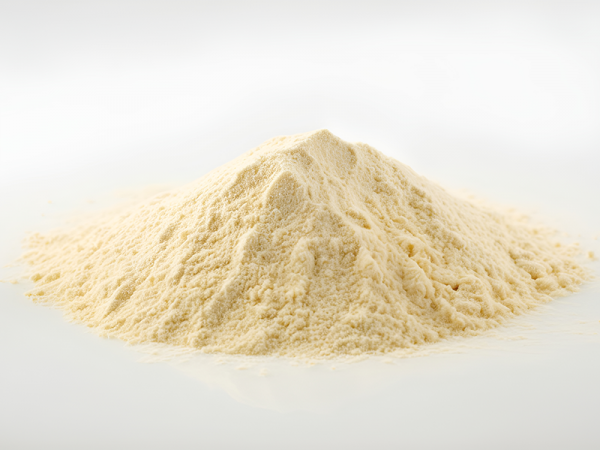
silicate powder often arrives as a tidy spec sheet, but the real-world behavior depends on how those specs interact with your process. Technically, particle size distribution, surface area, and bulk density govern how a powder flows, disperses, and reacts. I want to be blunt: many suppliers list median particle size and call it a day. That misses the tails of the distribution—those fines and agglomerates that ruin rheology. Look, it’s simpler than you think when you test for those factors directly.
What typically slips through the cracks?
First, impurity levels and thermal stability. If you don’t test for slight ionic contaminants, curing or color problems can pop up later. Second, inconsistent moisture content. It alters bulk density and clogs feeders—funny how that works, right? Third, the lack of standardized dispersion testing. You can get two batches with the same BET surface area that behave completely differently in a binder because of agglomeration. I prefer running small-scale dispersion and torque tests before full-scale trials; they predict mixing energy needs and final viscosity much better than spec sheets alone.
Comparative Outlook: Where New Practices Make a Difference
Moving forward, I compare workflow-focused testing versus the old “spec-only” approach. The modern path pairs routine lab checks with in-line quality checks—simple steps that cut rework and waste. For example, measuring particle size distribution in-process and monitoring bulk density during packaging reduces feed rate drift in your extrusion lines. When I advise customers, we set guardrails: target ranges for surface area, a tolerance for moisture, and acceptable impurity thresholds. These are not arbitrary; they map to performance outcomes like adhesion, opacity, and thermal stability.
Real-world impact — what’s next?
Case outlook: a coatings plant I consulted reduced rejects by 27% after switching to a supplier with consistent dispersibility tests and tighter bulk density specs. They also adopted quick in-line checks (a simple laser scattering probe) and adjusted mix times in real time. The result: fewer late-stage fixes and calmer production floors. I like to say small checks prevent big headaches—short sentence, big truth. —and yes, some changes cost a bit up front, but pay back fast.

Choosing and Evaluating Silicate Powder: Practical Metrics
To be practical, here are three key evaluation metrics I recommend. These metrics help you compare suppliers and processes in a way that reflects real use, not just lab bragging. I’ve used them across fillers, sealants, and specialty coatings projects with clear success.
1) Dispersion Energy per Unit Mass — measures how much mixing power you need to reach the target viscosity. Lower is usually better, but watch for over-shearing. 2) Particle Size Distribution Consistency — track standard deviation across batches, not just the median. This predicts packing behavior and flow. 3) Functional Surface Area Range — rather than a single BET number, use an active range that aligns with your binder chemistry and desired opacity.
When you score suppliers by these metrics, you spot practical differences fast. And yes, I still check basic specs like moisture and bulk density, but I weight them against the three above. If you want to pilot this approach, start small: pick one product line and run side-by-side trials. You’ll see the impact within weeks.
For guidance or samples, consider working with specialists who publish their dispersion and stability data transparently—that’s how we avoid surprises. In my view, a smart test plan beats sales rhetoric every time. If you want a trusted partner, check out JSJ.